

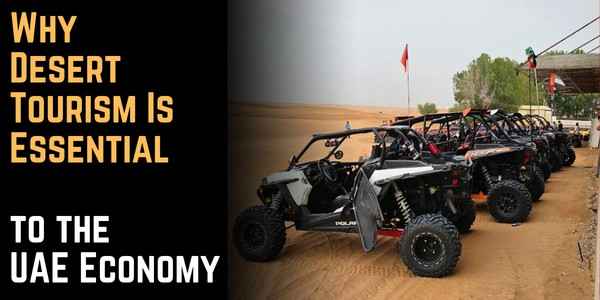
Why Desert Tourism Is Essential to the UAE Economy
The United Arab Emirates (UAE) is famous worldwide for its modern architecture, luxury shopping malls, and futuristic city skylines. But beyond the cities lies a vast and beautiful desert landscape that plays a major role in the country’s tourism sector. Desert tourism is not only an iconic experience for visitors, but it is also a significant economic driver that supports multiple industries and helps the UAE diversify its revenue sources.

In this article, we will explore why desert tourism is essential to the UAE economy, how it supports job creation, encourages investment, preserves cultural heritage, and strengthens the UAE’s global tourism reputation.
What Makes Desert Tourism So Unique in the UAE?
Desert tourism refers to travel experiences that take place in desert environments. In the UAE, desert tourism offers a unique blend of adventure, culture, luxury, and sustainability. It attracts travelers from all over the world, especially those seeking experiences beyond city life.
The desert environment offers a wide range of activities that appeal to all types of tourists, such as:
Popular Desert Tourism Activities
- Desert safari tours (dune bashing, sandboarding, camel rides)
- Quad biking and off-road adventures
- Luxury desert camps and glamping
- Traditional Bedouin experiences
- Wildlife and conservation tours
- Photography and stargazing experiences
- Desert hot air balloon rides
These activities create a strong demand for desert tourism and make it a major attraction for international travelers.
Many tourists look for dune buggy tours in Dubai to add excitement to their desert trip. This type of adventure is widely available through reputable operators like thedunebuggydubai.ae, which provides safe and organized dune buggy experiences for tourists.
Economic Impact of Desert Tourism in the UAE
- Major Revenue Source for the UAE
Desert tourism generates a large amount of revenue for the UAE every year. Tourists spend on:
- Desert safari packages and tours
- Accommodation in desert resorts and camps
- Transportation and tour services
- Food and entertainment
- Local shopping and souvenirs
Since desert tourism is often a premium experience, tourists usually spend more on quality services, luxury camps, and adventure packages. This increases the overall tourism revenue and contributes to the country’s economic growth.
- Job Creation and Employment Opportunities
Desert tourism is a significant employer in the UAE. It creates jobs directly in tourism and hospitality, and indirectly through supporting industries. Some of the jobs created include:
- Safari drivers and tour guides
- Hotel and resort staff
- Event managers and entertainment staff
- Local artisans and cultural performers
- Transport and logistics staff
- Maintenance and service staff
The jobs created through desert tourism help reduce unemployment and support economic stability, especially in desert-adjacent regions.
- Growth of Small and Local Businesses
Desert tourism boosts local businesses by creating demand for:
- Traditional handicrafts and souvenirs
- Local food suppliers and catering services
- Transport services and equipment rental
- Cultural entertainment and performances
These local businesses benefit from the continuous flow of tourists who seek authentic cultural experiences. Desert tourism strengthens the UAE’s non-oil private sector and supports small businesses across the country.
- Attraction for Foreign Investment
The UAE is a preferred destination for foreign investors due to its stable economy and excellent infrastructure. Desert tourism further attracts investment in:
- Luxury desert resorts and hotels
- Eco-tourism projects
- Adventure tourism services
- Hospitality and entertainment sectors
Investment in desert tourism enhances the country’s infrastructure and contributes to long-term economic growth.
Preserving Emirati Culture and Heritage
Desert tourism plays a crucial role in preserving Emirati culture and Bedouin heritage. It allows tourists to experience traditional life through:
- Bedouin hospitality and storytelling
- Traditional music and dance
- Arabic cuisine and cultural performances
- Camel riding and desert traditions
- Historical desert camps and heritage sites
These experiences help tourists understand the UAE’s history and traditions, while also supporting cultural preservation.
Tourism programs that focus on authentic cultural experiences help educate visitors and create awareness about the UAE’s heritage. This contributes to national pride and strengthens cultural identity.
Supporting Sustainable Tourism and Conservation
The UAE has invested heavily in sustainable tourism initiatives, and desert tourism is a key part of this strategy. Desert tourism supports sustainability by:
Sustainability Efforts in Desert Tourism
- Establishing protected desert reserves
- Promoting wildlife conservation
- Encouraging eco-friendly desert camps
- Using renewable energy in tourism facilities
- Regulating tourism activities to protect ecosystems
Eco-tourism is becoming increasingly popular globally, and the UAE is positioning itself as a responsible tourism destination. By supporting conservation and sustainability, desert tourism improves the UAE’s global reputation and attracts eco-conscious travelers.
Strengthening the UAE’s Global Tourism Brand
Desert tourism adds a unique dimension to the UAE’s tourism brand. While many countries offer urban luxury, few can provide world-class desert experiences at the same level of quality and safety.
Why Desert Tourism Enhances the UAE Brand
- It offers a unique experience that cannot be found in many other countries
- It increases average tourist spending
- It promotes cultural and heritage tourism
- It creates memorable experiences that encourage repeat visits
Another popular desert activity is dune bashing in Dubai, which is widely searched by tourists. Reputable providers such as thedunebashingdubai.com offer guided tours that focus on safety, experienced drivers, and a smooth desert experience.
Desert tourism is a key factor in the UAE’s marketing campaigns and tourism strategies, helping the country attract millions of visitors every year.
Reducing Dependence on Oil Revenue
The UAE has long been focused on economic diversification, reducing dependence on oil and gas. Desert tourism supports this goal by contributing to the non-oil GDP through:
- Tourism services and hospitality
- Transportation and logistics
- Retail and local businesses
- Investment in sustainable tourism
This diversification strengthens the UAE’s economy and ensures long-term growth and stability.
Future Growth and Innovations in Desert Tourism
Desert tourism is expected to grow further due to innovations in technology and luxury travel. Future trends include:
- Luxury glamping and premium desert resorts
- Private and VIP desert safari experiences
- Smart tourism technology and mobile booking platforms
- Advanced safety and training standards
- Expanded eco-tourism and conservation programs
- New adventure experiences such as desert zip lines and drone photography
These innovations will increase tourist satisfaction and attract new visitors to the UAE’s desert destinations.
Conclusion
Desert tourism is not just an attraction—it is a strategic economic pillar for the UAE. It generates revenue, creates jobs, supports local businesses, preserves culture, and strengthens the UAE’s global tourism brand. As the UAE continues to diversify its economy, desert tourism will remain a key sector driving sustainable economic growth and long-term prosperity.


About Author
