

LCL vs. FCL Shipping: Which Works Better for Small Businesses?
The most important question that small businesses usually have when transporting goods across borders is whether they should use LCL shipping or FCL shipping. The solution will be determined by the size of shipment, budget and delivery requirements. This decision also impacts timeframes and profitability of many traders who operate in the local and international markets.
In case you have a business where you have to deal with vehicles or mixed cargo like car delivery between Dubai and Afghanistan, then it is all the more necessary to know these two shipping terms. A wrong decision may even create expenses or delays. Making the right one can help your business grow with confidence.
In this blog, Alliance Shipping explains LCL and FCL shipping in the simplest way possible. We will help small business owners understand how each option works, when to use them, and how they connect with real routes like car shipping from Dubai to Afghanistan and even cost planning such as the shipping cost from Dubai to Kenya.
Understanding LCL Shipping for Small Businesses
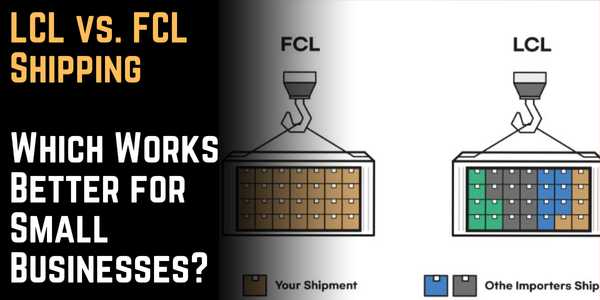
LCL stands for Less than Container Load. This option is used when your cargo does not fill an entire container. Your goods share space with shipments from other businesses.
For small businesses, LCL shipping is often the first choice. It allows you to ship smaller volumes without paying for a full container. This makes it useful for startups, traders testing new markets, or businesses with low monthly volumes.
When it comes to car shipping from Dubai to Afghanistan, LCL can work if you are shipping vehicle parts, accessories, or small machinery rather than full cars. You only pay for the space your cargo uses. This helps manage cash flow, especially for businesses that ship often but in small quantities.
However, LCL shipping takes more time. Since cargo from many shippers is combined, there are extra handling steps. Goods must be consolidated at the port and then separated at the destination. This can add days to the delivery schedule.
Still, for businesses watching costs closely, LCL remains a flexible option. It also helps compare expenses across routes, especially when evaluating the shipping cost from Dubai to Kenya for similar-sized shipments.
Understanding FCL Shipping and When It Makes Sense
FCL means Full Container Load. In this method, one business uses the entire container. The container is sealed at origin and opened only at the final destination.
For small businesses shipping larger volumes, FCL offers clear benefits. It is faster, safer, and easier to track. Since the container is not shared, there is less handling and lower risk of damage.
In cases like car shipping from Dubai to Afghanistan, FCL is often the better choice when shipping one or more vehicles. Cars need space, stability, and secure handling. A full container ensures the vehicle stays protected throughout the journey.
FCL also brings cost clarity. While the upfront price is higher, the cost per unit becomes lower when shipping in bulk. This is helpful for businesses that ship on a regular schedule or plan large orders in advance.
Another advantage is predictable timing. Since the container does not depend on other shipments, delays are less common. This matters when meeting delivery commitments or planning inventory.
Small businesses that have grown past trial shipments often move from LCL to FCL to gain better control and reliability.
LCL vs. FCL: Cost Comparison for Small Businesses
Cost is one of the main factors when choosing between LCL and FCL. LCL initially seems cheaper in that you end up paying only the space that you use. This is not necessarily the whole story.
LCL charges include handling, consolidation, and documentation fees. These small charges can add up. If your cargo volume increases slightly, LCL may become more expensive than expected.
FCL has a fixed container cost. While higher upfront, it often includes fewer extra fees. For businesses shipping vehicles or heavy goods, such as car shipping from Dubai to Afghanistan, FCL often gives better value in the long run.
Routes also affect pricing. As an example, after comparing the African trade lanes, the knowledge of the cost of shipping in Dubai, to Kenya assists in setting benchmarks. A cost-effective shipment in LCL route may be more effective as FCL in a different route.
Alliance Shipping assists companies to compare such costs easily. We audit cargo size, weight, and route to ensure that the clients do not incur any invisible costs and use the most viable one.
For businesses or individuals shipping specialized cargo such as motorcycles, comparing options and understanding factors that influence Motorcycle Shipping Cost can help determine whether shared shipping methods like LCL or dedicated transport solutions provide better value.
Transit Time and Delivery Reliability
Time is important to small businesses. Delays in delivery may impact on sales, confidence and flow.
LCL shipping usually takes longer. Cargo waits until the container is full. At the destination, it waits again to be separated. This adds uncertainty to delivery dates.
FCL shipping moves faster. Once the container is ready, it ships directly. There is no waiting for other cargo. This makes planning easier.
Time reliability is important in transporting cars in Dubai to Afghanistan. Cars can be required to be sold off, to undertake projects or personal usage. The delays may add to the storage expenses or cause customer problems.
Even in comparing such routes as the cost of shipping between Dubai and Kenya, companies tend to see that by taking shorter time on delivering the goods, indirect expenses such as storage, insurance and lost sales are minimized.
The small businesses are advised to strike a balance between time requirements and cost savings. In other cases, the cost of a little more for FCL will pay off in terms of money wasted due to delays.
Safety, Risk, and Cargo Handling
Cargo safety is another major difference between LCL and FCL.
The LCL shipping involves handling the goods a number of times. They are loaded, unloaded, and even transferred at the time of consolidation and deconsolidation. This puts the chances of damages or loss at risk.
FCL provides superior protection. The container is closed permanently and does not get opened until it is delivered to its destination. This minimizes work and decreases risk.
In case of important cargo such as car delivery in Dubai to Afghanistan, security is of paramount importance. Cars require stable positioning and less movement. FCL has improved management of cargo security.
Handling risks is usually underestimated by small businesses. Even the tight packaging is not viable with continuous movement. This is the reason why most of the businesses that are growing change to FCL when the volume permits.
Alliance Shipping is concerned with safe loading in the case of both LCL and FCL. We assist customers in their packaging, labelling, and documentation to minimize risk on each action.
Documentation and Customs Clearance
Shipping is not only about moving goods. Paperwork plays a big role.
LCL shipments involve shared documentation. This can sometimes slow customs clearance if another shipment in the same container faces issues.
FCL shipments are simpler. One shipper, one set of documents. Customs processes are often faster and clearer.
In the transportation of goods such as car shipping in Dubai to Afghanistan, documentation is required. There are vehicle shipments whose papers must have details such as ownership and compliance records.
In the case of determining the shipping cost in Dubai to Kenya, documentation costs and the clearance time can influence the overall cost.
Small businesses enjoy easy procedures. FCL makes it less complex and more clearly visible in the state of clearance.
Alliance Shipping can help clients with maximum documentation assistance, and all kinds of clearance can be easily achieved, be it LCL or FCL.
Which Option Is Better for Small Businesses?
There is no single answer. The right choice depends on your business stage and shipping needs.
Choose LCL if:
- You ship small volumes.
- You are testing new markets.
- You want lower upfront costs.
Choose FCL if:
- You ship vehicles or large goods.
- You need faster delivery.
- You want better safety and control.
FCL is frequently the viable option when it comes to shipping cars in the city of Dubai to Afghanistan. In the case of smaller parts or mixed freight, LCL may be a good solution.
The comparison of routes, e.g., the comparison of the shipping cost Dubai to Kenya, allows companies to realize to which time they should switch between LCL and FCL.
Alliance Shipping collaborates with other small firms in examining the shipment plans and suggesting the most effective one.
How Alliance Shipping Supports Smart Shipping Decisions
Alliance Shipping realizes the struggles of small businesses. We are sure that shipping must be easy, transparent, and trustworthy.
Our staff will help you with the step-by-step help whether you need some help with LCL delivery or complete car shipping between Dubai and Afghanistan. We assist you in making the correct choice concerning the type of container, drafting papers, and cost control.
We also assist companies in making comparisons of international routes such as the shipping cost of Dubai to Kenya, therefore, you can be confident when planning to expand.
We are not only concerned with the cargo transport. It is assisting companies to expand by making intelligent logistics choices.
Final Thoughts: Making the Right Choice with Confidence
The decision between LCL and FCL is a significant step that any small business can make. The correct alternative would save costs, reduce stress, and enhance delivery performance.
LCL provides a convenient entry point in case you have small and flexible shipments. In the case of shipping valuable or heavy cargo, particularly automobile shipping between Dubai and Afghanistan, FCL is more secure and fast.
Knowing the costs and making comparisons, such as the shipping cost between Dubai and Kenya, will allow you to have a more justified plan and avoid unexpected costs.
Alliance Shipping will be there to show you the way. Our small business ships smarter, grows stronger and moves forward with confidence with clear advice and reliable service to export cars to Afghanistan and other parts of the globe.


About Author
