

Precision Oncology: The Role of Lutetium-177 PSMA & DOTATATE
Cancer treatment is changing. Instead of “one drug for everyone,” doctors now use precision oncology – therapies chosen for the specific biology of each tumor. A clear example is Lutetium-177 PSMA & DOTATATE cancer therapy, which uses the same isotope to target different cancers: PSMA for prostate cancer and DOTATATE for neuroendocrine tumors.
This approach works like a guided shot, hitting cancer cells while sparing healthy tissue. For patients, it means more hope when standard options stop working and a chance to live with a better quality of life.
What is Targeted Radionuclide Therapy?
Targeted radionuclide therapy means using radioactive molecules to find and destroy cancer cells. In this approach, a radioactive isotope such as Lutetium‑177 is attached to a carrier molecule that recognizes a specific marker on tumor cells. Once injected, the compound travels through the body, binds to cancer cells, and delivers radiation directly into malignant cells. Lutetium‑177 acts like a tiny warhead: its beta particles damage the DNA of the tumor, leading to cell death.
Compared to chemotherapy, which affects both healthy and cancerous tissues, targeted radiation works more like a “sniper shot” – precise and usually easier to tolerate. This precision not only reduces harm to healthy tissue but also helps patients experience treatment with fewer side effects and greater comfort.
Lutetium-177 PSMA: A Breakthrough for Prostate Cancer
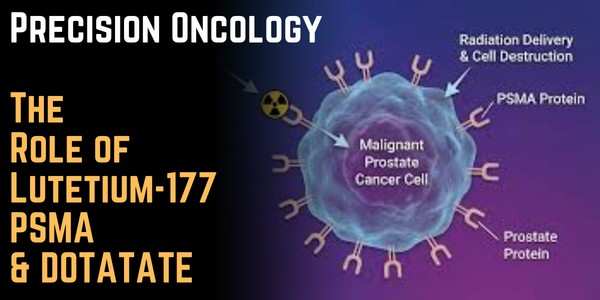
Lutetium‑177 PSMA therapy targets prostate cancer cells that express the PSMA protein. Prostate‑specific membrane antigen (PSMA) is a protein found in high amounts on the surface of prostate cancer cells, especially in advanced stages. By attaching Lutetium‑177 to a molecule that binds to PSMA, doctors can deliver radiation directly into these malignant cells. The beta particles from Lutetium‑177 damage the DNA inside the tumor, leading to cell death while sparing most healthy tissue.
This therapy is designed for patients with metastatic castration‑resistant prostate cancer (mCRPC) – men whose disease has progressed despite hormone therapy and chemotherapy. Clinical studies, such as the VISION trial, have shown that Lutetium‑177 PSMA can slow disease progression, reduce symptoms, and improve overall survival. Beyond extending life, it helps patients maintain a better quality of life compared to standard chemotherapy.
Lutetium-177 DOTATATE (PRRT): Targeting Neuroendocrine Tumors
Lutetium‑177 DOTATATE therapy, also known as peptide receptor radionuclide therapy (PRRT), works by finding special “locks” on neuroendocrine tumor cells called somatostatin receptors. Doctors attach the radioactive isotope Lutetium‑177 to a small molecule named DOTATATE. When injected, this molecule acts like a “key” that fits into the tumor’s receptors. Once it locks on, Lutetium‑177 delivers radiation directly inside the cancer cell, damaging it from within.
This neuroendocrine tumors treatment is already approved under the name Lutathera. It has been tested in the large NETTER‑1 trial, which showed that patients with advanced midgut neuroendocrine tumors lived longer without disease progression than with standard therapy.
Today, modern centers routinely offer Lutetium-177 PSMA & DOTATATE Cancer Therapy as effective options for advanced prostate and neuroendocrine cancers, showing how precision treatment can target disease with accuracy.
The Theranostics Principle: We See What We Treat
Theranostics is the combination of diagnosis and therapy in a single approach. Before treatment, doctors use special scans called Ga‑68 PSMA PET/CT or Ga‑68 DOTATATE PET/CT. The names sound complex, but in simple terms, these are PET‑CT scans with a “tracer” injected into the vein:
- In Ga‑68 PSMA PET/CT, the tracer looks for PSMA proteins on prostate cancer cells.
- In Ga‑68 DOTATATE PET/CT, the tracer looks for somatostatin receptors on neuroendocrine tumor cells.
On the scan, the cancer cells with these targets “light up,” showing doctors exactly where the disease is and whether the patient is a good candidate for treatment. If the target is visible, the same molecule can then carry Lutetium‑177 to deliver radiation directly into those cells and destroy them.
That “see what we treat” principle makes therapy precise, safe, and personalized. It ensures that only patients whose tumors express the appropriate receptors receive treatment, avoiding unnecessary side effects and improving outcomes.
Comparing Efficacy and Safety
Clinical trials show that Lutetium-177 PSMA & DOTATATE cancer therapy helps patients live longer and feel better than standard care. Side effects are usually milder than those of chemotherapy, making these treatments easier to handle for many people.
Research highlights:
- PSMA (VISION trial). Median overall survival for metastatic prostate cancer was about 15.3 months with Lu‑177 PSMA vs 11.3 months with standard care. They also reported less pain and better daily functioning.
-
- DOTATATE (NETTER‑1 trial). Patients with neuroendocrine tumors had much longer periods without disease progression (hazard ratio ≈ 0.18). Overall survival was influenced by crossover, but long‑term safety remained favorable.
- Side effects compared to chemotherapy. Chemotherapy often causes severe nausea, hair loss, and strong bone‑marrow suppression. Lutetium therapies more often lead to mild fatigue, dry mouth, or temporary blood changes. With DOTATATE, kidney monitoring is needed, but serious problems are rare.
Why Germany Leads in Precision Oncology
Germany is a leader in precision cancer treatment because it combines a long research tradition, reliable isotope supply, and highly skilled nuclear medicine doctors. Patients benefit from advanced hospitals where Lutetium‑177 therapies are widely available, including for international visitors.
What makes Germany stand out:
- Innovation roots. Many of the earliest studies on Lutetium-177 PSMA & DOTATATE cancer therapy were conducted in Germany. This early start gave German doctors a unique opportunity to use these therapies safely and effectively.
- Strong isotope supply. Germany has well‑developed facilities for the production of medical isotopes. That means treatments can be scheduled without long delays, which is crucial for patients with advanced cancer.
- Experienced doctors. Nuclear medicine specialists in Germany are among the most skilled in the world. They combine technical expertise with patient‑friendly care, guiding people through complex therapies step by step.
- Hospitals with access. Leading centers such as Heidelberg University Hospital, Charité Berlin, and Munich University Hospital routinely provide Lutetium-177 PSMA & DOTATATE cancer therapy. These clinics welcome international patients and offer full support during treatment.
Organizing Treatment Abroad
Planning treatment abroad means choosing the right clinic, preparing travel documents, and arranging daily logistics. Germany makes this process easier thanks to experienced hospitals, clear visa support, and reliable infrastructure for international patients.
Practical tips for patients:
- Pick the right clinic. Focus on hospitals with proven experience in Lutetium-177 PSMA & DOTATATE Cancer Therapy. University centers in Germany are well known for this.
- Prepare travel documents. Most non‑EU patients need a medical visa. Clinics usually provide invitation letters to support the application.
- Plan your stay. Many treatments are outpatient. Patients should arrange nearby hotels or apartments and use Germany’s reliable transport system for easy access.
- Think about language. English‑speaking staff are common, but having translation support can make communication smoother.
Services like airomedical.com guide patients through the process. They help compare clinics, explain visa procedures, and provide logistical support. That makes organizing treatment abroad less stressful and more transparent.
Frequently Asked Questions (FAQ)
What is the difference between PSMA and DOTATATE?
PSMA therapy is used for prostate cancer. DOTATATE therapy is used for neuroendocrine tumors. Both deliver Lutetium‑177 to kill cancer cells, but they use different “keys” to find the right cells – PSMA proteins in prostate cancer and somatostatin receptors in neuroendocrine tumors.
Who is a candidate for Lutetium-177 therapy?
Patients whose PET/CT scans show clear uptake of the tracer, and whose disease has progressed after standard treatments such as hormone therapy or chemo.
Is Lutetium therapy safe?
Yes. It is a targeted therapy, so it harms fewer healthy tissues than chemotherapy. The main risks are temporary drops in blood counts and some strain on the kidneys or salivary glands.
How long does the treatment take?
Treatment usually involves 4–6 injections at intervals of 6–8 weeks. Each cycle requires a short hospital stay of 2–3 days.
Conclusion
Lutetium-177 PSMA & DOTATATE cancer therapy demonstrates how modern oncology can target cancer with precision. These treatments help patients live longer, reduce symptoms, and cause fewer side effects than chemotherapy. Germany’s hospitals and doctors make such advanced care accessible not only to local patients but also to people traveling from abroad.
This progress shows the direction oncology is taking: more accurate diagnostics, safer therapies, and treatment plans tailored to each disease. The future belongs to personalized oncology, where treatment is not one‑size‑fits‑all but designed for the unique needs of every patient.
References
- Strosberg J, Wolin E, Chasen B, et al. Overall survival and safety in patients with midgut neuroendocrine tumors treated with ^177Lu‑DOTATATE (NETTER‑1): final results. Lancet Oncology. 2021;22(11):1512‑1521.
- Dmytro Kyiashko, M.D., Volvak Anton, M.D. (2022, August 14; updated 2025, November 17). Lutetium-177 PSMA & DOTATATE Cancer Therapy Guide. Retrieved December 2025.
- Sartor, O., de Bono, J., Chi, K. N., et al. Lutetium-177–PSMA-617 for Metastatic Castration-Resistant Prostate Cancer. New England Journal of Medicine, 2021; 385(12): 1091–1103.
- Morris MJ, et al. Patient‑reported outcomes with ^177Lu‑PSMA‑617 in the VISION trial. Journal of Clinical Oncology. 2022;40(6_suppl):11‑11.
- Volvak Natalia, Dr. Farrukh A. (2022, April 16; updated 2025, November 19). Lutetium-177 PSMA Treatment for Prostate Cancer. Retrieved December 2025.
- Herrmann K, et al. Nuclear medicine in Germany: current status and future perspectives. European Journal of Nuclear Medicine and Molecular Imaging. 2020;47(2):273‑276.
- Hofman, M. S., Violet, J., Hicks, R. J., et al. [177Lu]-PSMA-617 radionuclide treatment in patients with metastatic castration-resistant prostate cancer (TheraP trial). The Lancet Oncology, 2021; 22(3): 439–448.
- Dr. Farrukh Ahmed (2022, July 11; updated 2025, November 30). Lutetium-177 PSMA Prostate Cancer Treatment in Germany. Retrieved December 2025.


About Author
