

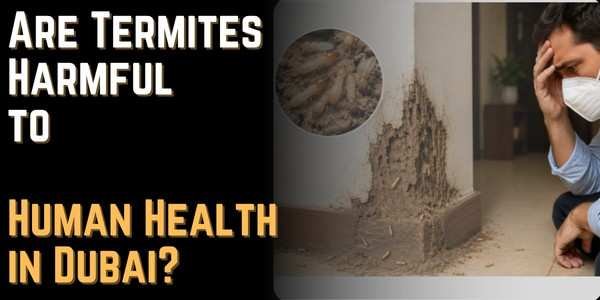
Are Termites Harmful to Human Health in Dubai?
Termites in Dubai are common due to the city’s warm climate and irrigation, but they mainly damage furniture and structural wood rather than harm people directly. They don’t bite or spread disease like mosquitoes or rodents do. Their health risk is indirect, linked to dust, moisture, and mold left behind by an infestation.
What Are Termites?
Termites are small, wood-eating insects that live in organized colonies, often underground. They feed on cellulose found in wood and furniture, which is why they’re mainly known for property damage rather than health issues.
Common Types of Termites Found in Dubai
Subterranean termites are the species most frequently identified in UAE properties. They live in soil-based colonies and build mud tubes to reach wood sources above ground.
This makes them well suited to Dubai’s warm, sandy environment, where moisture near foundations is common.
Where Do Termites Typically Live?
Colonies typically nest underground, near foundations, garden beds, or irrigation lines. From there, they travel through shelter tubes to reach wooden fixtures and structural beams indoors.
Once inside, they often remain hidden behind walls or under flooring for long periods.
Why Are Termites a Concern in Dubai’s Climate?
Consistent heat keeps termite colonies active throughout the year. Unlike cooler climates, there is no true off-season that slows activity down.
Widespread landscaping irrigation also keeps soil moisture levels favorable, giving colonies a steady source of the dampness they need to thrive.
Are Termites Harmful to Human Health?
Can Termites Bite Humans?
Termites are not designed to bite people. Their mouthparts are built for chewing wood and cellulose, not for attacking skin.
Soldier termites can pinch if directly handled, but this is rare. It is not considered a meaningful health concern for households.
Can Termites Cause Allergic Reactions?
Some individuals may experience mild skin or respiratory sensitivity. This is usually linked to termite droppings, shed wings, or saliva residue.
Reactions are more likely with prolonged, close exposure to an active infestation rather than brief or incidental contact.
Can Termites Trigger Respiratory Problems?
Termite debris, including wood dust and frass, can contribute to airborne particulate matter. This dust circulates more easily in enclosed, poorly ventilated rooms.
For people with asthma or existing respiratory conditions, this may gradually worsen symptoms over time.
Can Termite Droppings or Debris Affect Indoor Air Quality?
Frass and fine wood particles can settle into carpets, vents, and upholstery. Over time, this reduces overall indoor air quality.
The effect tends to be more noticeable in enclosed spaces with limited airflow or infrequent cleaning.
Are Termites Dangerous for Children, Older Adults, or People With Allergies?
These groups are generally more sensitive to dust and airborne allergens. An untreated infestation may affect them more noticeably than a healthy adult.
Termites themselves are still not directly dangerous. The concern lies with prolonged exposure to the byproducts of an infestation.
How Can Termites Affect Your Health Indirectly?
Mold and Moisture Problems Caused by Termite Damage
Termite activity often coincides with damp timber. Moisture-damaged wood can encourage mold growth nearby.
Mold is a recognized respiratory irritant, and this is usually a bigger indirect concern than the termites themselves.
Dust and Airborne Particles From Damaged Wood
Hollowed-out wood releases fine particulate matter as it breaks down. This dust can circulate through a home’s air over time.
Regular cleaning and ventilation help, but the underlying source still needs to be treated.
Structural Damage and the Risk of Accidents
Severely weakened flooring, staircases, or beams can pose a genuine safety hazard. This is more likely when damage goes unaddressed for a long period.
In advanced cases, structural repairs may be needed alongside pest treatment.
Stress and Anxiety Caused by a Termite Infestation
The financial and logistical burden of an infestation can understandably cause anxiety. This is especially true for owners of heritage furniture or those mid-renovation.
Addressing the issue early tends to reduce both the cost and the stress involved.
Can Termite Infestations Cause Diseases?
Do Termites Carry Harmful Bacteria or Viruses?
Unlike cockroaches or rodents, termites are not known vectors for bacterial or viral disease transmission. Their diet consists mainly of cellulose, not decaying organic matter.
This is one reason they are treated differently from sanitation-related pests.
Are Termites a Direct Source of Human Disease?
No documented evidence links termites to any specific human illness. Their impact on health is indirect rather than infectious.
It stems mainly from allergens, dust, and secondary mold growth rather than pathogen transmission.
Understanding the Difference Between Termites and Other Household Pests
This distinction matters for how homeowners should respond. Pests such as rodents and cockroaches raise direct sanitation concerns.
Termites, by contrast, are primarily a property-integrity issue with only secondary health implications.
Why Are Termites Common in Dubai Homes and Buildings?
Dubai’s Warm Climate and Termite Activity
Consistently warm temperatures allow termite colonies to remain active year-round. This gives infestations more time to develop before they’re noticed.
Moisture and Plumbing Leaks
Hidden plumbing leaks create damp pockets inside walls and under flooring. These spots are especially attractive to subterranean termites.
Wooden Furniture and Structural Materials
Homes with solid wood furniture, flooring, or framing offer a ready food source. This is particularly true where wood is untreated or older.
Landscaping and Soil Conditions
Garden beds, mulch, and irrigation systems near a building’s foundation keep soil moist. This proximity makes it easier for colonies to reach the structure.
Construction and Renovation Factors
Some construction and renovation practices leave timber in direct contact with soil. This creates an easy entry point for termites during and after building work.
Signs of a Termite Infestation in Your Dubai Property
- Mud tubes along walls, foundations, or garden beds
- Hollow-sounding or crumbling wood
- Discarded wings near windowsills or doors
- Small, pellet-like droppings (frass)
- Doors or windows that stick unexpectedly
- Visible cracks or warping in structural elements
What Happens if a Termite Infestation Is Left Untreated?
Increasing Property Damage
Damage tends to progress gradually but steadily if left alone. What starts as minor surface damage can spread further into a structure.
Damage to Wooden Furniture and Fixtures
Furniture, skirting boards, and door frames are often affected first. These items are usually more accessible to termites than deeper structural beams.
Potential Structural Problems
Over time, untreated infestations can reach load-bearing timber. This raises genuine safety concerns for the property.
Higher Termite Control Costs
The longer an infestation continues, the more extensive the treatment and repair work tends to be. Early intervention is generally far more cost-effective.
Possible Secondary Indoor Air Quality Issues
Ongoing moisture and wood decay can contribute to mold growth. This adds a secondary air-quality concern on top of the structural one.
Are Termite Control Chemicals Harmful to Humans?
Understanding Professional Termite Treatments
Professional termiticides used in the UAE are regulated products. They are applied according to manufacturer and municipal guidelines.
Are Termiticides Safe When Applied Correctly?
When handled by licensed technicians, exposure risk to residents is minimal. Application methods are designed to target termite activity while limiting contact with living spaces.
Why DIY Chemical Treatments Can Be Risky
DIY treatments carry more risk than professional ones. Incorrect concentrations or application methods can affect indoor air quality unnecessarily.
How Professionals Minimize Exposure During Treatment
Technicians typically use targeted application methods and protective measures. This limits unnecessary contact between chemicals and household members.
How Long Should People Stay Away After Treatment?
Most modern treatments allow residents to return to normal occupancy shortly afterward. Reputable providers will advise on any temporary precautions specific to the treatment used.
How to Protect Your Family From Termite-Related Risks
- Keep interiors dry and well ventilated
- Repair plumbing leaks as soon as they’re noticed
- Reduce direct wood-to-soil contact around the property
- Inspect wooden furniture and fixtures periodically
- Maintain the building envelope and exterior seals
- Schedule occasional professional inspections
For broader guidance on seasonal upkeep, our pest control services in Dubai for offices and homes cover related moisture and maintenance practices.
How to Get Rid of Termites Safely in Dubai
Professional Termite Inspection
A safe response starts with a professional inspection. This confirms the species involved and the extent of the activity.
Identifying the Source of the Infestation
Technicians trace the infestation back to its moisture source or entry point. This step is essential for treating the root cause, not just visible symptoms.
Choosing the Right Termite Treatment
The treatment method depends on the species, location, and severity of the infestation. Options range from localized treatment to broader perimeter protection.
Post-Treatment Monitoring
Follow-up visits confirm that the colony has been eliminated. Monitoring also helps catch any early signs of a return.
Preventive Termite Control
Once resolved, preventive measures help reduce the likelihood of future infestations. This is often more cost-effective than repeated reactive treatments.
DIY vs. Professional Termite Control: Which Is Safer?
Limitations of DIY Termite Treatments
DIY sprays often only treat visible termites. This can leave the underlying colony intact, allowing the infestation to continue underground.
Advantages of Professional Inspection and Treatment
Licensed professionals bring species identification and targeted treatment methods. Their safety protocols also reduce both structural and health risks.
When You Should Call a Pest Control Professional
Anyone noticing recurring activity, extensive damage, or mud tubes should seek an accurate assessment. Termite control Dubai specialists can identify the extent of a problem more reliably than store-bought products alone.
How Can You Prevent Termites in Dubai?
Control Moisture Around the Property
Manage irrigation runoff so it doesn’t pool near foundations. Excess moisture is one of the biggest drivers of termite activity.
Seal Cracks and Potential Entry Points
Check exterior walls and foundations for small cracks. Sealing these reduces easy access points for termites.
Store Wooden Materials Properly
Keep firewood, timber, and building materials off the ground. Direct soil contact makes it far easier for termites to reach them.
Check Furniture Before Bringing It Indoors
Inspect second-hand or outdoor furniture before it enters the home. This is a simple step that can prevent the introduction of termites unknowingly.
Keep Gardens and Landscaping Well Maintained
Trim vegetation and manage mulch near the building’s exterior. Overgrown or damp landscaping near walls increases the risk.
Arrange Regular Professional Inspections
Periodic inspections catch early activity before it spreads. This is particularly useful for villas with gardens or older buildings.
When Should You Contact a Termite Control Professional?
- Visible termites or swarms indoors
- Repeated mud tubes or frass
- Noticeable wood damage
- Termites reappearing after prior treatment
- Buying, selling, or renovating a property
Conclusion
Termites in Dubai are mainly a property-damage risk, not a direct threat to human health, though ignored infestations can affect air quality over time. Early inspection is the best safeguard. For professional help, Allied Pest Control offers licensed termite inspection and treatment across Dubai.
Frequently Asked Questions
Are termites dangerous to humans?
Not directly. Termites don’t attack people, and their impact on health is indirect, through dust, allergens, and mold linked to infested wood.
Can termites bite or sting people?
Bites are extremely rare. They typically only occur through direct handling, since termites don’t seek out human contact.
Can termites cause allergies or breathing problems?
Yes, in sensitive individuals. Exposure to termite debris and associated mold can contribute to mild allergic or respiratory symptoms.
Do termites spread diseases?
No. There is no established evidence that termites transmit disease to humans.


About Author
