

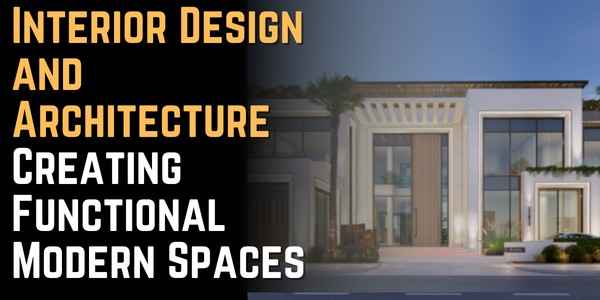
Interior Design and Architecture: Creating Functional Modern Spaces
Modern buildings are no longer designed with only structure in mind. Today, successful spaces require a careful balance between architectural planning and interior design. When these two disciplines work together, they create environments that are not only visually appealing but also practical, comfortable, and efficient.
Architecture provides the foundation of a space, its structure, layout, and form. While interior design transforms that structure into a place where people live, work, and interact. The integration of both elements ensures that a building functions well while also reflecting the lifestyle, needs, and identity of its occupants.
In contemporary residential and commercial projects, the collaboration between architects and interior designers has become essential to achieving cohesive and functional environments.
The Role of Architecture in Space Planning
Architecture is responsible for shaping the structural framework of a building. It defines the layout, spatial organization, and structural integrity that make a space usable and safe.
Architectural planning determines elements such as room placement, circulation, natural lighting, ventilation, structural materials, and exterior aesthetics.
Interior Design Brings Life to Architecture
While architecture forms the structure, interior design adds personality, functionality, and comfort. Interior designers focus on the human experience within a space through color schemes, furniture selection, lighting design, materials, and textures.
Why Collaboration Between Architecture and Interior Design Matters
Many modern projects now rely on integrated design studios that handle both architectural planning and interior design. Firms like Teal Design Studio offer integrated interior design and architecture solutions that allow both aspects of a project to be developed together from the start.
Key Trends in Modern Interior and Architectural Design
Sustainable Design: Eco-friendly materials and energy‑efficient systems are becoming standard in modern buildings.
Open and Flexible Spaces: Open-plan layouts improve collaboration, lighting, and spatial flow.
Smart Technology Integration: Automated lighting, climate control, and security systems are increasingly integrated into modern spaces.
Biophilic Design: Incorporating natural elements such as plants, wood, and natural light improves wellbeing and productivity.
Creating Spaces That Truly Work
Successful design goes beyond appearance. A well-designed environment must support the daily activities and comfort of the people who use it. When architecture and interior design are aligned, spaces become more intuitive, functional, and enjoyable.
Author Bio
Teal Design Studio is a UAE-based firm specializing in interior design and architectural solutions for residential and commercial spaces. Learn more at https://teal-design.ae/


About Author
