

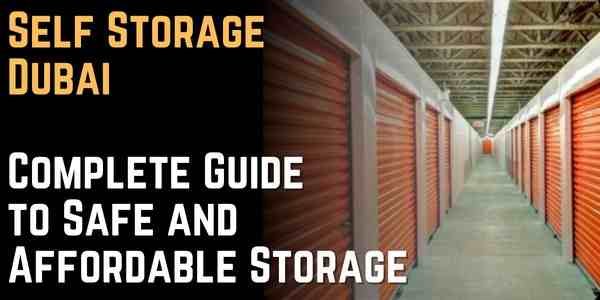
Self Storage Dubai: Complete Guide to Safe and Affordable Storage
Running out of space can make even a well-organised home feel stressful. A few unused boxes become a crowded spare room, renovation furniture blocks the hallway, or a delayed tenancy contract leaves you wondering where to keep everything safely.
That’s where self storage in Dubai becomes useful. It gives residents and businesses additional space without forcing them to rent a larger apartment, office or warehouse. This guide explains how storage works, which features matter, what prices to expect and how to select the right unit without paying for unnecessary space.
What Is Self Storage in Dubai?
Self storage is a flexible service that allows you to rent a private unit, locker or allocated storage space for a chosen period. Depending on the provider, you may store items for a few weeks, several months or longer.
Customers choose a suitable unit, sign the agreement and move their belongings into the facility. Some providers also offer collection, packing and delivery, making personal storage Dubai a convenient option for moving, renovation or travel.
Self storage is commonly used for:
- Household furniture and moving boxes
- Seasonal clothing and sports equipment
- Documents, books and personal belongings
- E-commerce stock and business inventory
- Appliances during renovation
- Luggage during travel
- Office furniture and archived files
Unlike general warehousing, self storage is usually designed around individual customers and smaller businesses. Access arrangements, unit sizes and rental terms are therefore more flexible.
Why Self Storage Matters in Dubai
Space is expensive, but many belongings are still worth keeping. Renting a larger property simply to create another storage room can be far more costly than renting a correctly sized unit.
It supports moves and tenancy changes
Moving dates don’t always align perfectly. Your existing tenancy may end before your new apartment is ready, or building approval may delay furniture delivery.
Temporary storage provides a controlled place for your belongings until the new property becomes available.
It keeps renovation work manageable
Furniture, electronics and boxed possessions can slow contractors down and increase the risk of dust, paint stains or accidental damage.
Moving non-essential items into storage creates a clearer working area and makes it easier to complete the renovation in stages.
It helps residents reduce clutter
You don’t need to permanently discard useful belongings just because they aren’t needed every day.
A suitable personal storage Dubai unit can hold suitcases, decorations, children’s equipment, spare furniture and seasonal possessions while keeping your home functional.
It gives small businesses room to grow
Online retailers, consultants, event companies and small trading businesses often need more stock space before they’re ready for a commercial warehouse.
A flexible storage unit can provide additional capacity without the commitment of a long industrial lease.
Key Self Storage Features and Service Types
Not every storage facility offers the same level of protection or convenience. Compare the actual service specifications instead of choosing on price alone.
Private self storage units
A private unit gives you a defined, lockable area. It’s suitable for customers who want their belongings separated from other stored goods.
Ask whether the facility supplies the lock or requires you to use your own.
Personal storage
Personal storage is intended for household and individual belongings. It may be used during relocation, travel, downsizing, renovation or a temporary move abroad.
Common items include boxes, beds, sofas, clothing, books, bicycles and non-perishable household goods.
Climate-controlled storage
Climate-controlled or air-conditioned units help reduce exposure to extreme temperatures and changing humidity levels.
This option may be appropriate for:
- Wooden and upholstered furniture
- Electronics and appliances
- Photographs and artwork
- Books and paper records
- Musical instruments
- Sensitive business stock
Ask what “climate-controlled” means in measurable terms. Air conditioning, ventilation and humidity management aren’t always the same service.
Business and document storage
Business storage may include shelving, pallet space, stock collection, item retrieval and delivery support.
Document storage should offer organised identification, controlled access and a clear retrieval process. Businesses should also ask how confidential files are protected and who can enter the storage area.
Mobile storage and collection services
Some providers bring storage containers or packing materials to your property, collect the packed items and transport them to their facility.
This can be convenient, but access may require advance notice because your belongings aren’t always kept in a customer-accessible unit.
How to Choose Self Storage in Dubai
Follow this process before signing a storage agreement.
- List what you plan to store
Create a basic inventory of furniture, appliances, boxes and fragile items. Photographs can help the provider estimate the required capacity more accurately.
- Remove items you no longer need
Don’t pay monthly storage charges for damaged furniture, expired documents or items you’re unlikely to use again.
Sell, donate, recycle or dispose of them before measuring your storage requirement.
- Estimate the correct unit size
Ask the company to explain its recommendation in square feet, square metres or cubic metres.
Confirm whether furniture can be dismantled and whether boxes can be safely stacked. Efficient packing may allow you to rent a smaller unit.
- Inspect the facility
Where possible, visit the location before booking. Check cleanliness, lighting, ventilation, loading access, lifts, corridors and the condition of the actual storage area.
A professional facility should be able to explain its fire-safety arrangements, emergency procedures and access controls. Dubai Civil Defence publishes the UAE Fire and Life Safety Code used for storage and other building occupancies.
- Confirm security arrangements
Ask about:
- CCTV coverage
- Security personnel
- Unit locks
- Visitor records
- Access codes
- Alarm systems
- Entry and exit controls
The phrase “24-hour security” doesn’t necessarily mean customers receive 24-hour access.
- Review the contract
Check the rental period, notice requirement, deposit, late-payment charges, access hours and cancellation conditions.
The agreement should also explain what happens if payment is overdue or belongings aren’t collected at the end of the contract.
- Check insurance and liability
Don’t assume your belongings are automatically insured for their full value.
Ask whether coverage is included, optional or arranged separately. Check exclusions, claim limits, excess amounts and the evidence required when reporting damage.
- Request a complete written quotation
The quotation should separate the unit charge from VAT, collection, packing, delivery, insurance, deposits and administration fees.
How Much Does Self Storage Cost in Dubai?
Storage prices depend heavily on unit size, location, rental duration, climate control and included services.
Current advertised Dubai market figures show small lockers beginning at approximately AED 185 per month, while medium units are often promoted between AED 350 and AED 900. Other market guides place basic 25-square-foot units at around AED 300 per month, with large units reaching AED 3,000 or more.
As a broader reference, a 75-square-foot unit suitable for furniture and boxes from a smaller apartment may cost approximately AED 1,000 to AED 1,450 per month, depending on access, location and environmental controls.
These figures should be treated as market estimates rather than fixed rates. Your final price may change according to:
- Unit dimensions
- Ground-floor or upper-floor access
- Air conditioning or climate control
- Short-term versus prepaid rental
- Collection and return transport
- Packing and dismantling
- Insurance coverage
- Peak moving periods
- Facility location
- Promotional discounts
Also confirm whether the advertised amount includes VAT. The standard UAE VAT rate is 5%, although the way it appears on your quotation depends on the provider’s tax status and pricing presentation.
Common Storage Mistakes to Avoid
Choosing the cheapest quote without inspecting the facility
A low monthly rate may exclude transport, access, insurance or climate control. Compare total cost and service conditions, not just the headline price.
Renting too much space
Customers often estimate storage requirements by imagining furniture placed normally rather than packed, dismantled and vertically arranged.
A proper inventory and professional volume estimate can prevent you from paying for unused capacity.
Packing items while they’re damp
Moisture trapped inside boxes, fabrics or appliances can cause odours, mould and material damage.
Clean and dry everything thoroughly before storage.
Using weak or unlabelled boxes
Overloaded cartons can collapse when stacked. Use strong boxes, distribute weight evenly and label at least two sides.
Keep a digital inventory so you know what’s inside each numbered box.
Storing prohibited goods
Facilities commonly restrict flammable liquids, gas cylinders, explosives, illegal goods, perishable food, live plants, animals and hazardous chemicals.
Ask for the provider’s prohibited-items list before packing. Storage premises should also operate in line with relevant fire and safety requirements.
Blocking access to important items
Place frequently needed boxes near the front. Leave a narrow walkway when the unit is large enough.
Otherwise, retrieving one document may require moving half the unit.
Expert Tips for Safer, More Efficient Storage
- Photograph valuable items before packing.
- Create a box-number inventory on your phone.
- Use furniture covers instead of sealing wood tightly in plastic.
- Drain water from washing machines and refrigerators.
- Defrost and dry freezers before collection.
- Store heavy boxes at the bottom.
- Avoid placing items directly against walls.
- Keep screws and fittings in labelled bags.
- Review stored belongings every few months.
- Ask for written confirmation of access procedures.
For long-term storage, check the condition of your unit periodically. A quick inspection can identify damaged packaging or environmental problems before they affect multiple items.
Conclusion
The right storage unit should protect your belongings, fit your actual space requirements and remain accessible when you need it. Before booking, compare unit size, security, climate control, insurance, access hours and the full cost of collection and return.
A reputable storage provider won’t pressure you into taking unnecessary space. It should explain the quotation clearly, document your service terms and help you choose a practical solution.
Whether you’re moving, renovating, travelling or simply reclaiming space at home, request a written assessment and compare the complete service—not only the lowest advertised monthly rate.


About Author
