

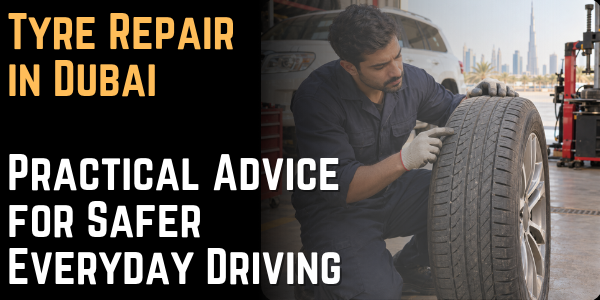
Tyre Repair in Dubai: Practical Advice for Safer Everyday Driving
Driving in Dubai offers convenience, but the city’s climate and road conditions can put extra demands on vehicle tyres. High temperatures, long journeys, heavy traffic and occasional road debris can all contribute to tyre wear or sudden punctures. A small problem may quickly become a major inconvenience if it is ignored. Knowing when to seek professional help and what to do when a tyre is damaged can help drivers stay safer and avoid unnecessary delays.
Why tyre condition matters in Dubai
Tyres are the only parts of a vehicle that make direct contact with the road. Their condition affects grip, braking, steering and overall stability. In hot weather, tyre pressure can change as the air inside the tyre heats up. Under-inflated tyres may flex more than intended, creating additional heat and wear. Over-inflation can also affect handling and cause uneven contact with the road. Drivers should check tyre pressure regularly and follow the vehicle manufacturer’s recommended figures, usually shown on a label inside the driver’s door or in the owner’s manual.
It is also important to inspect tyres for cuts, bulges, cracks and objects lodged in the tread. Uneven wear may point to alignment, suspension or inflation issues. A tyre with visible structural damage should be assessed by a qualified technician rather than simply reinflated and driven on.
Common causes of punctures and tyre damage
Punctures can happen anywhere, including residential streets, parking areas and busy roads. Screws, nails, sharp stones and other debris may pierce the tread. A slow puncture can be difficult to notice at first: the vehicle may feel slightly less responsive, or the tyre may lose pressure over several hours or days. A sudden loss of pressure is more obvious and can make the vehicle difficult to control.
Not every puncture can be repaired safely. The location, size and nature of the damage matter. Damage in the sidewall or shoulder area, large holes, multiple nearby punctures or evidence that the vehicle has been driven on a completely flat tyre may make repair unsuitable. A technician should inspect the tyre and determine whether a safe repair is possible or replacement is required.
What to do when you experience a flat tyre
If you notice a tyre problem while driving, reduce speed gradually, avoid sudden steering or braking, and move to a safe location away from moving traffic where possible. Turn on the hazard lights and follow local road-safety rules. Do not continue driving on a flat tyre unless moving the vehicle a very short distance is necessary to reach a safe place. Driving on a deflated tyre can damage the tyre beyond repair and may affect the wheel.
Once safely stopped, check the situation from a safe position. Avoid standing in traffic or attempting a repair in a dangerous location. If you do not have the right equipment or are unsure about the damage, contact a professional tyre service. A trained technician can assess the tyre, explain the available options and help you decide whether repair or replacement is appropriate.
The convenience of mobile tyre assistance
A mobile tyre service can be useful when a vehicle cannot easily be taken to a workshop. Instead of arranging a tow or driving on a damaged tyre, a driver can request assistance at a suitable location, such as home, an office car park or a safe roadside area. Mobile technicians may be equipped to inspect tyres, repair eligible punctures, replace tyres and fit a suitable replacement, depending on the service provider and the vehicle.
Drivers who need Tyre Repair Dubai can consider a mobile service that comes to their location. Dubai Tyre Expert offers mobile tyre assistance for drivers, including support for eligible puncture repairs and tyre replacement. Service availability and repair suitability depend on the tyre’s condition and the vehicle.
When choosing a provider for Tyre Repair Dubai, drivers should look for clear communication, suitable equipment and an honest assessment of whether the tyre can be repaired safely.
Before booking, drivers should describe the vehicle, tyre size if available, the nature of the problem and their exact location. It is sensible to confirm the estimated arrival time, call-out charges, repair or replacement costs, and whether the technician can handle the vehicle type. Clear communication helps avoid delays and ensures that the right equipment is brought to the job.
How to reduce the risk of tyre problems
A few simple habits can help extend tyre life and reduce the chance of an unexpected puncture. Check tyre pressure when the tyres are cold and use the recommended pressure for the vehicle’s load. Inspect the tread and sidewalls regularly, and do not ignore repeated pressure loss. Rotate tyres according to the vehicle manufacturer’s maintenance schedule, and have wheel alignment and balancing checked when symptoms or service guidance indicate they are needed.
Avoid overloading the vehicle and drive carefully around road debris, construction areas and damaged road surfaces. If the steering wheel vibrates, the vehicle pulls to one side, or you hear an unusual noise, arrange an inspection. These symptoms do not always mean a tyre is damaged, but they should be checked rather than ignored.
Choosing the right tyre service
A reliable tyre service should explain the condition of the tyre before recommending repair or replacement. Ask whether the damage is within a repairable area and whether the proposed repair follows recognised tyre-repair practices. If replacement is necessary, confirm that the new tyre matches the vehicle’s required size, load index and speed rating. For vehicles with all-wheel drive, it is especially important to follow the manufacturer’s guidance on matching tyre size, tread depth and replacement requirements.
Drivers should also expect clear pricing and professional handling of wheels, sensors and fastening equipment. After the work is completed, the technician should confirm that the tyre is correctly fitted and inflated to the recommended pressure. Keeping a record of tyre inspections and replacements can make future maintenance easier.
Make tyre safety part of routine maintenance
A puncture or damaged tyre is inconvenient, but it is also a reminder to pay attention to vehicle maintenance. Regular pressure checks, visual inspections and prompt professional assessment can help prevent minor issues from becoming more serious. In Dubai’s demanding driving conditions, taking care of tyres is an important part of preparing for everyday journeys.
Whether a driver needs advice after noticing a slow leak or assistance with a flat tyre, the priority should always be safety. Choose a qualified service provider, share accurate details about the problem and avoid driving on a tyre that may be unsafe. A careful approach can help drivers get back on the road with greater confidence.


About Author
