

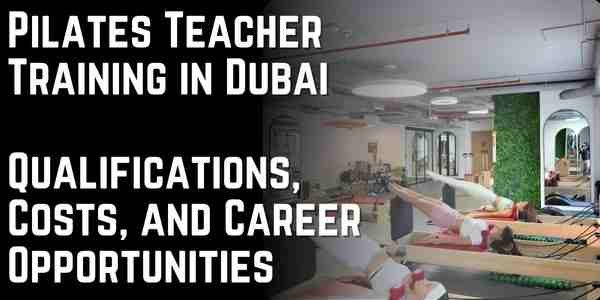
Pilates Teacher Training in Dubai: Qualifications, Costs, and Career Opportunities
Thinking of turning your passion for movement into a living? If you live in Dubai and enjoy helping people feel their best, becoming a Pilates instructor may be worth considering. Dubai offers opportunities in the wellness sector for certified Pilates teachers, but choosing the right training course takes some research. From certification requirements to course fees and future job prospects, knowing what to expect can help you make a better decision before investing your time and money.
What Does Pilates Teacher Training in Dubai Involve?
Taking a Pilates teacher training in Dubai gives you the knowledge and practical skills needed to lead classes safely. Depending on the course, students generally learn about anatomy, posture, breathing, movement control, and how to adapt exercises for different abilities. Many courses include lesson planning, class observation, practice teaching, and assessments.
There are different types of Pilates training to choose from, including the following:
- Mat Pilates: It focuses on exercises performed on a mat, often using body weight and small props.
- Reformer Pilates: It uses specialized equipment with springs to create resistance.
- Comprehensive programs: They may cover the use of other equipment, including the Chair, Cadillac, and CoreAlign.
Courses also come in different levels, such as Mat Pilates 1, 2, 3, and Reformer 1, 2, and 3.
The option that makes sense for you depends on where you’d like to work and the classes you hope to lead. If you want to teach in a studio that offers equipment-based sessions, Reformer training may be a sensible starting point. Mat training could suit someone interested in group classes or a more accessible entry into teaching.
Before you sign up, check the practical teaching hours, assessment methods, and recognition. These details tell you much more about a program than its marketing materials.
What Qualifications Do You Need to Become a Pilates Instructor?
Some people practice Pilates for a year or two before deciding to become a teacher. The good news is you don’t always need years of practice to start the instructor training. Some beginner programs accept students with little or no professional fitness background. Others prefer applicants with experience in Pilates, dance, yoga, or another movement-based discipline.
You can only lead a class if you have the credentials. A good Pilates instructor certification in Dubai covers the basics of anatomy, safe exercise instruction, movement modifications, and class planning. Students need to learn how to demonstrate movements, explain or cue them clearly, spot common errors, and adapt exercises when a client struggles.
Certification is just one part of the process. The recognition matters, too. For instance, Ikore Pilates offers courses accredited by Balanced Body International, so after you complete a course, you earn an internationally recognized credential that can let you apply for a Pilates teacher job anywhere you want to work.
A training certificate may not, on its own, meet every requirement for working as an instructor in the UAE. Contact the relevant authorities or prospective employers if you’re unsure which documents you will need.
How Much Does Pilates Teacher Training Cost in Dubai?
The cost of Pilates teacher training in Dubai varies from one program to another. The following factors can affect the final cost:
- Course length
- Equipment access
- Assessment requirements
- The type of qualification
- Level of training (Mat Pilates 1 vs. Mat Pilates 2)
A mat certification can range from $500 to $1,500, while a reformer certification hovers between $2,000 and $ 4,000.
A basic mat course may cost less than a comprehensive program covering several pieces of apparatus. In addition, some programs charge separately for examinations, manuals, additional workshops, or resits. Others include these items in the tuition fee. That’s why you should ask for a complete breakdown before comparing prices, so you know exactly what you’re paying for.
Some Pilates schools offer payment plans, but spreading the cost over several installments doesn’t necessarily make a course better value. A cheaper program might suit your needs, but price shouldn’t be the only deciding factor. You’re investing in skills you’ll use with real clients. The quality of the instruction and the standard of the qualification deserve just as much attention as the fee.
How Long Does Training Take, and Which Study Format Works Best?
There’s no single timetable for Pilates teacher training in Dubai. Some courses use an intensive format, with lessons packed into a shorter period. Others spread training over several months to allow time for practice, observation, and assessments.
As for the format, most courses are flexible. If you have a full-time career, weekend classes are easier to fit into your schedule. Evening or part-time sessions and hybrid programs, which combine online theory with in-person practical lessons, may sometimes be more convenient . The available options depend on the provider and the qualification.
Make sure you’re also aware of how many hours are spent on practice, observing a class, and supervised teaching. Find out when assessments take place and what happens if you miss a session. A course that looks convenient on paper may become difficult to manage if its practical requirements are inflexible.
Give yourself enough time to learn properly. Knowing the names of Pilates exercises is one thing; teaching them clearly, recognizing movement difficulties, and making suitable adjustments takes practice.
The general advice is to choose a schedule that lets you build confidence as a future teacher rather than rushing through the material simply to finish sooner.
What Career Opportunities Are Available After Pilates Teacher Training?
Dubai’s fitness and wellness sector is growing, so is the demand for qualified teachers. Depending on your credentials and experience, you can apply to Pilates studios, gyms, wellness centers, or fitness facilities. Pilates teachers are paid well, and it can become lucrative if you transition to private instruction or open your own studio. Freelance work may be another option, subject to applicable local requirements.
Take note that getting certified doesn’t guarantee a job. You must build the interpersonal and operational soft skills needed to be a good Pilates teacher. Studios usually look for instructors who communicate well, demonstrate exercises confidently, and adapt sessions to suit different clients. Reliability and the ability to build positive working relationships can matter just as much as technical knowledge.
Further training may help you develop a particular area of interest. For example, some instructors pursue additional education in prenatal and postnatal Pilates or other specialist areas. Such work requires suitable training and a clear grasp of the limits of their qualifications.
On average, Pilates teachers are paid between $25 and $75 per hour. However, this depends on your experience, working hours, employer arrangements, and client demand. An instructor paid per session may have a different income pattern from someone employed on a fixed salary. Check current job advertisements and speak with local employers before making financial plans around an expected salary.
Right after getting certified, start looking for a job at Pilates studios near you to gain experience and build a strong foundation or support in supervised training. Ongoing learning, client feedback, and professional connections can help you find the career direction that benefits you most.
Final Thoughts
Starting a new career as a Pilates instructor takes planning, especially when training involves a financial commitment. Compare course content, qualification recognition, practical teaching hours, fees, and study schedules before making your choice. With suitable training and continued practice, you can build the skills needed to pursue opportunities in Dubai’s fitness and wellness sector. A little research at the beginning can help you choose a course that fits both your goals and your circumstances.


About Author
