

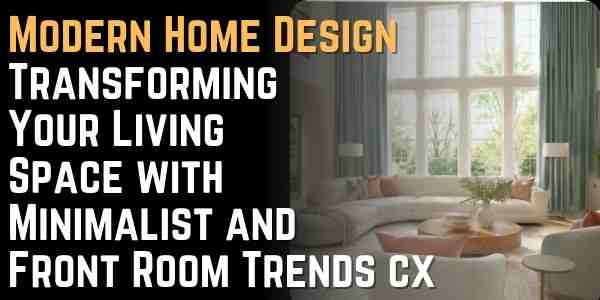
Modern Home Design: Transforming Your Living Space with Minimalist and Front Room Trends cx
The most satisfying investment for a homeowner is to create a comfortable and harmonious interior environment. Whether you are remodeling your own home or decorating a new home, it can make the difference in transforming a room to a usable sanctuary if you plan it accordingly. Today’s homeowners are rejecting clutter and over-the-top designs, and welcome the concept of intentional design, natural materials, and simple aesthetics. These elements can all be used to improve the comfort, usability, and market value of any property, and they are all based on time-tested architectural principles, so anyone can use them to enhance their home.
Whether you’re beginning a redesign or styling project, it’s important to take a look at some solid Home design inspiration before buying furnishings and selecting paint schemes. A cohesive plan means that every room blends smoothly into the next, and they feel like they are in harmony throughout the floor plan instead of each room feeling separate.
Understanding the Core Principles of Modern Interior Design
Great spaces don’t just happen; they are constructed according to the basic principles that serve both practical and design considerations. Proportional balance, lighting, color and space movement are the fundamentals that professional designers use to create a comfortable room, regardless of its size.
- Each room should have a focal point, like a large painting, fireplace or statement piece of furniture; furniture should match the size of the focus and not clutter walkways.
- Many times a room with only one overhead ceiling fixture can appear flat or severe. Ambient lighting (recessed light fixtures or chandeliers), task lighting (reading lamps or under-cabinet lighting), and accent lighting (wall sconces) all combine for warmth and depth.
- Cohesive Color Palettes: Start with a neutral base tone, like warm white, soft beige, greige or muted taupe, and add accent colors with pillows, rugs and art that can be changed with the seasons.
- Texture Over Clutter: One way to do this is to use contrasting materials such as bouclé fabrics, natural oak wood, matte black metal, linen curtains and ceramic accents to add interest to the shelves without having to add dozens of small trinkets.
When you are searching for a makeover in your living space, you can find the best collections of the Interior Design resources that you can browse and discover ways to harmonize your lifestyle with durable and beautiful furnishings.
Exploring Versatile Interior Design Ideas for Every Room
All houses are different in terms of design, amount of available natural light, and family requirements. A design that is great for a solitary bachelor flat will differ greatly from a household with a ton of kids Exploring diverse Interior Design ideas allows you to blend elements from different aesthetics—such as Scandinavian warmth, mid-century modern lines, and contemporary comfort—until you find a look that feels authentically yours.
1. Creating Open and Breathable Layouts
Open living spaces are still in demand as they promote connection and make the most of natural light. But large open spaces continue to be zoned subtly. Area rugs can create rooms out of seating areas, a console table can create a room where a floating sofa would otherwise offer no clear demarcation, or open shelving can create a “room” where a room divider wouldn’t otherwise provide a clear “room.
2. Bringing the Outdoors In (Biophilic Elements)
The use of natural elements in interior areas has been shown to lower stress levels and enhance state of mind. To add a bit of organic height and colour to empty corners, large indoor plants such as fiddle leaf figs, olive trees or snake plants are a great choice. Combining a natural wood furniture with plants, stone countertops, and jute rugs helps to break up modern interiors and keep them feeling grounded.
3. Smart Storage Solutions
Nothing is worse than clutter for a decor, even if it is pricy. Built-in cabinetry, ottomans with built-in storage, floating media consoles, and vertical wall shelving help keep everyday items organized and hidden away, while maintaining clean sight lines.
Why Minimalist Interior Design Continues to Lead Modern Trends
Among all contemporary aesthetics, minimalist interior design stands out for its enduring appeal and calming atmosphere. Minimalist interior design is one of the most timeless and soothing designs available today. But it isn’t about coldness or emptiness at all, as true minimalism is about intent, keeping only what is necessary or truly delightful and leaving space for each item.
Key Characteristics of a Minimalist Space:
- Clean Architectural Lines: Furniture features sleek silhouettes, low profiles, and unadorned surfaces without heavy carvings or bulky details.
- Monochromatic and Tonal Palettes: Shades of ivory, warm gray, soft sand, and charcoal work together seamlessly, creating a serene backdrop that reflects natural light.
- High-Quality Materials: Because there are fewer items in the room, each piece stands out. Investing in solid wood dining tables, breathable linen upholstery, and handcrafted stone accessories elevates the entire space.
- Clutter-Free Surfaces: Kitchen countertops, coffee tables, and entryways remain mostly clear, styled with perhaps a single sculptural vase, a stack of two hardcover books, or a scented candle.
Minimalism also makes daily maintenance effortless. With fewer decorative objects collecting dust and thoughtful storage built into the layout, keeping your home guest-ready takes minutes rather than hours.
Elevating Your First Impression with Front Room Interior Design Ideas
Your front room, formal sitting room, main living room or extended entryway lounge, determines the mood of your home. It’s the first room a visitor sees when they enter through the door and the room a family member will go to at the end of the day to relax.
Applying smart Front room interior design ideas can dramatically improve both the visual appeal and functionality of this central hub.
Practical Ways to Upgrade Your Front Room:
- Front legs of sofa and accent chairs: Use a large area rug for the front legs of your sofa and accent chairs. If the rug is too small, it makes the space feel disjointed, while a rug that’s too large creates a cozy gathering area for the furniture.
- Design a Clear Focal Point: Seatings can be grouped around a natural focal point like a large window that looks out to the garden, an architectural fireplace or a streamlined media wall. Do not crowd all the furniture against the walls; furniture that is floated towards the center may create better traffic flow.
- Mix the seating silhouettes: Balance a plush, comfortable three-seater sofa with two structured accent chairs in a different texture, like cognac leather or textured boucle, for an energetic layout.
- Upgrade Window Treatments: Hang curtain rods higher on the ceiling and longer than the window frame. This is a simple designer trick that creates a higher ceiling, making regular ceilings seem so much taller and allows the maximum amount of daylight to enter when the curtains are open.
- Don’t Randomly Place Little Frames: Avoid placing little frames at random; consider using one large canvas that hangs over the sofa, or a gallery of framed artwork in a symmetrical grid on the wall to cleanly anchor the space above the sofa.
Step-by-Step Checklist Before Starting Your Next Home Makeover
Before ordering furniture or picking up a paintbrush, follow this structured approach to avoid costly design mistakes:
Step | Action Item | Why It Matters |
1. Measure Everything | Record room dimensions, ceiling height, doorway widths, and window placements. | Prevents buying oversized furniture that blocks pathways or won’t fit through doors. |
2. Define Your Lifestyle Needs | Consider kids, pets, entertaining habits, and work-from-home requirements. | Ensures fabrics and finishes are durable and practical for daily life. |
3. Test Paint Swatches | Paint large sample squares on multiple walls and observe them morning, noon, and night. | Artificial and natural light drastically alter how undertones appear on walls. |
4. Prioritize Big Pieces First | Select your sofa, rug, and main storage units before shopping for small decor. | Establishes the foundational scale and color palette of the room. |
5. Layer Gradually | Add cushions, throws, lamps, and greenery over time rather than all at once. | Keeps the space looking collected and authentic instead of like a showroom. |
Bringing Your Vision to Life
[There is no need for an unlimited budget or even a total overhaul of the structure for a well-designed home. This can be achieved by prioritizing smart space planning, maximising natural light, adhering to minimalist principles of clutter-free spaces and crafting a welcoming design in the front room. Go slowly to choose the elements that make up your own personality, keep it simple rather than always find more to add and let each room develop naturally as a place that you want to go home to each day.


About Author
