

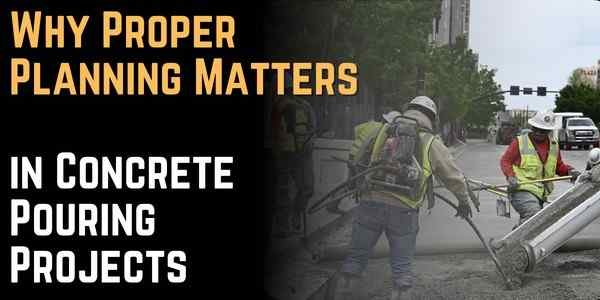
Why Proper Planning Matters in Concrete Pouring Projects
Bad planning doesn’t just delay a concrete job; it costs money. Cracked slabs, structural failures, and budget overruns often start with rushed decisions made before the first truck arrives.
Whether it’s a backyard patio or a commercial project, proper concrete pouring, planning, and preparation are essential from the start.
According to Construction Industry Institute benchmarking data backed by McKinsey & Company, projects with strong startup planning reduce cost overruns by an average of 7.9 percentage points.
Pouring concrete the right way starts long before the mix leaves the drum. Companies like A-Core Concrete Specialists have built their reputation on careful front-end planning that ensures every detail is handled before concrete hits the ground..
Good Planning Produces Concrete That Actually Lasts
Planning isn’t just a defensive move against things going wrong. It’s how you build something that genuinely stands the test of time. Structural durability, site safety, and your final budget are all shaped by choices made during the planning phase, not during the pour. Understanding how to pour concrete properly starts long before the mix ever reaches the site.
The Structural and Financial Case
Skipping planning steps creates a domino effect you really don’t want to trigger. A poorly graded base invites cracking. Wrong mix ratios degrade the surface over time. Each mistake feeds the next, and repair costs? They routinely exceed what the original build cost in the first place.
Thorough concrete pouring planning pushes you to think ahead, load requirements, soil conditions, drainage patterns, and the works. That upfront investment pays dividends for decades.
Why Concrete Project Management Changes Everything
Effective concrete project management means your budget, timeline, and crew are all pointing in the same direction. It means nailing down your scope early, estimating materials with precision, and building in contingency reserves for whatever surprises the job site throws at you. A well-managed project rarely blindsides you, and honestly, that’s the entire point.
Understanding the why behind planning matters. But the real work kicks in when you start mapping out what that planning actually looks like in practice.
What Effective Concrete Project Management Actually Covers
Getting planning right means tackling several interconnected areas before anyone picks up a tool. Miss even one, and things can unravel fast.
Scope and Budget, Define Both Early
Lock down your project scope in writing before anything else moves forward. Estimate material volumes using a reliable calculator, account for waste, and set aside at least 10–15% as a contingency buffer. This discipline pays off on residential builds just as much as commercial ones.
Scheduling Around Weather, Crew, and Equipment
Temperature, humidity, and wind all affect how concrete cures. Pours in extreme heat risk, rapid moisture loss. Cold-weather pours risk freezing before curing completes. Scheduling apps help you coordinate labor, truck deliveries, and equipment availability, all synced to your weather window.
Don’t Sleep on Permits and Compliance
Permits aren’t bureaucratic red tape. They protect you legally and confirm your structure meets safety codes. Check local requirements early, schedule site inspections, and document everything. A late permit approval can shut down your entire timeline, and that’s a painful way to learn the lesson.
Once you’re legally cleared, attention naturally shifts from paperwork to the physical groundwork. Because no permit fixes a poorly prepped site.
Proper Concrete Preparation: Where Planning Meets Real Life
Proper concrete preparation is the phase where your plans either hold up or fall apart. Get this right, and the pour almost handles itself.
Site Survey and Ground Assessment
Digital laser grading and soil compaction testing have genuinely transformed site assessment. Weak or unstable subgrade is one of the most common causes of slab failure, and one of the most avoidable. Catch it early, fix it properly, and you’ve neutralized your biggest risk before it costs you anything.
Mix Design Is a Strategic Decision
Your mix isn’t a default setting; it’s a deliberate choice. Fiber-reinforced mixes deliver excellent crack resistance. Low-carbon supplementary materials like fly ash or slag cut environmental impact without sacrificing strength. Match the mix to your environment, your load demands, and your project timeline.
With materials sorted, you’re ready to turn all that preparation into a clean, confident pour..
The Real Foundation Is the Plan Itself
Every durable concrete structure starts with a plan, not a pour. Disciplined concrete pouring planning, sharp concrete project management, and thorough, proper concrete preparation consistently separate projects that succeed from those that don’t.
Whether you’re running through a concrete pour checklist or putting these successful concrete pour tips to work on your next job, the investment in preparation always, always pays off. Start earlier. Plan deeper. Build something you’re genuinely proud of.


About Author
