

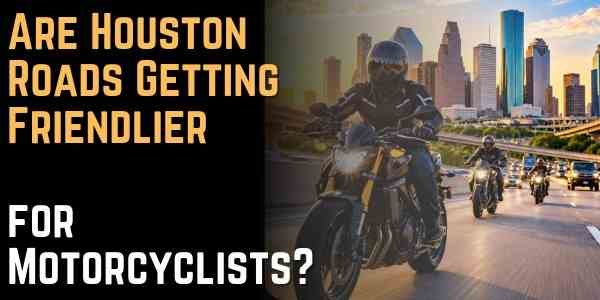
Are Houston Roads Getting Friendlier for Motorcyclists?
Ask a Houston rider what the city feels like from a motorcycle and you will hear a mix of things. The freeways are fast and crowded. The surface streets are full of turning cars. And nearly every rider has a story about a driver who never saw them.
Still, something is shifting. The city has spent years rethinking how its streets are built, and more drivers are hearing that motorcycles are small, easy to miss, and worth a second look. That raises a fair question. Are Houston roads actually getting friendlier for motorcyclists, or does it just sound that way in the headlines?
The honest answer sits somewhere in the middle. Some changes help riders directly. Others help by accident, and some still have a long way to go. Here is a plain look at what is changing, what it means when you are on two wheels, and what neighbors can do to keep the progress moving.
Why Houston Is a Tough Place to Ride
Houston is big, spread out, and built around the car. Commutes are long, and many of them run along wide roads with frequent driveways, side streets, and left turns. For a motorcyclist, each of those is a spot where a driver may pull out without noticing a rider coming.
Weather adds another layer. Heavy rain can turn a street slick in minutes, and hot summer days push a lot of riders out in the evening, when glare and fading light make bikes harder to see. Then there is road condition. Potholes, patched pavement, and loose gravel are minor annoyances in a car. On a motorcycle, they can decide whether you stay upright.
The most common danger, though, is plain visibility. A motorcycle takes up far less space than a car, and drivers tend to look for other cars. When someone scans an intersection and sees nothing the size they expect, they may assume it is clear. Most safety efforts, whether they come from the city or from community groups, circle back to that one problem.
What Road Design Changes Mean for Riders
Over the past several years, Houston has put real effort into rethinking its streets. The city has worked on a bike plan, added protected lanes along some corridors, and committed to a Vision Zero goal aimed at ending traffic deaths over time. Many of these projects were designed with cyclists and pedestrians in mind. So what do they do for people on motorcycles?
Bike Lanes Are Not Motorcycle Lanes
Start with the obvious point. Bike lanes are for bicycles. Motorcyclists are not meant to ride in them, and nobody should expect that. A new protected bike lane is not a rider safety project in itself.
Even so, these projects change a street in ways that reach everyone. When a travel lane is narrowed to make room for a bike lane, cars often slow down. Slower traffic gives drivers more time to notice a motorcycle in the next lane. Clearer lane markings and better lighting help too. Riders pick up the side benefits even when the main goal is something else.
Slower Speeds and Safer Intersections
Intersections are where many motorcycle crashes happen, so this is where design matters most. Shorter crossings, better signal timing, and cleaner sight lines give drivers a fair chance to see what is coming. Turn lanes with clear signals cut down the guesswork that leads to a car cutting across a rider’s path.
Speed matters as well. A crash at a lower speed is less likely to be severe, and a rider with more time to react has more ways to avoid one. Projects that calm traffic in busy corridors serve that goal, even if they never mention motorcycles by name.
There is still a gap. Most road projects are measured by how they serve cyclists, walkers, and drivers. Motorcyclists rarely get their own line in the plan. Riders who attend public meetings and comment on proposed projects can help change that.
Awareness Campaigns and the Role of Local Advocates
Design is only half the picture. The other half is how drivers behave, and that is where awareness efforts come in.
Every May, Motorcycle Awareness Month puts a spotlight on the need to watch for riders. Texas has run public messages for years urging drivers to look twice before turning or changing lanes, and local rider groups often join in with group rides, safety classes, and community events. The message is simple, and it works best when it is repeated: check your blind spot, give riders room, and never assume a lane is empty.
Community events also make the topic personal. A driver who chats with a rider at a safety day, or hears a firsthand story about a close call at a familiar intersection, is more likely to remember it the next time they turn left. Numbers and slogans fade quickly. Stories tend to stick, and they cost nothing to share.
Riding clubs, safety instructors, and local organizations carry that conversation into schools, workplaces, and driver education classes, where a reminder from a neighbor lands differently than a billboard. Legal professionals see the aftermath of preventable crashes up close, and some take an active role in prevention. The team at Roxell Richards, a Houston personal injury lawyer, is one example of a local firm that advocates for rider safety and awareness, encouraging drivers and riders alike to slow down, pay attention, and look out for one another.
Advocacy like this does not replace good road design. It fills the space between what the city builds and what drivers do behind the wheel. A well-designed intersection still depends on a driver who looks both ways, and a great awareness campaign still needs safe roads to back it up. The two work best together.
What Riders Can Do Right Now
Better roads and wider awareness take time. Riders can improve their own odds today with habits that cost little.
- Wear a helmet on every ride. Texas law allows some adult riders to go without one under certain conditions, but a helmet is still the most important piece of protective gear you own.
- Make yourself easy to spot. Bright or reflective clothing and a high-visibility jacket help, especially at dusk and in rain.
- Choose your position on purpose. Stay out of a driver’s blind spot, and leave yourself room to react at intersections and driveways.
- Take a rider course. Refresher classes help experienced riders as much as beginners, and they build the habit of scanning ahead.
- Check your bike before you go. Tires, brakes, and lights are quick to inspect and easy to forget.
Wet roads deserve special respect in Houston. The first minutes of a rainstorm can bring oil to the surface, so ease off the throttle, increase your following distance, and avoid painted lines and metal covers when you can.
What Drivers Can Do Right Now
Riders carry most of the physical risk, but drivers control a big share of the outcome. A few small changes make a real difference.
First, look twice. Before you turn left or pull out of a driveway, take a second glance for a motorcycle. It is easy to miss a single headlight in a stream of traffic, and a second look costs about a second.
Second, give riders a full lane. A motorcycle has every right to the same lane space as a car. Do not squeeze past or share a lane, and leave a bigger gap when following, because motorcycles can slow down quickly without much warning from brake lights.
Third, put the phone away. Distracted driving is a danger to everyone, but it is especially dangerous around riders, who have far less protection if a driver drifts or turns without looking.
Finally, do not judge a motorcycle’s speed by how small it looks. Smaller objects often seem farther away and slower than they are. When in doubt, wait for the rider to pass.
So, Are Houston Roads Getting Friendlier?
Slowly, and unevenly, yes. The city is investing in streets that slow traffic and protect vulnerable road users. Awareness campaigns are reaching more drivers each year, and community groups keep the conversation alive long after May ends. None of that is finished, and motorcyclists still deserve a bigger voice in how projects are planned.
The good news is that progress does not depend on one big fix. It depends on many small ones, added up over time by city planners, riders, drivers, and neighbors who care.
If you take away one thing, let it be this: safer roads start with attention. Riders can make themselves more visible and ride with a plan. Drivers can look twice and give space. And everyone can speak up when a project or a policy leaves motorcyclists out. Houston will not become a perfect place to ride overnight, but every careful choice moves it in the right direction.


About Author
