

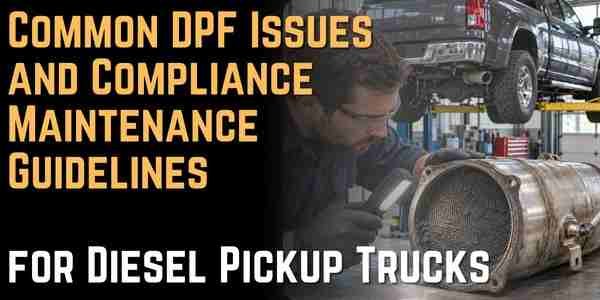
Common DPF Issues and Compliance Maintenance Guidelines for Diesel Pickup Trucks
Diesel pickup trucks are widely appreciated for their durability, towing capacity, fuel efficiency, and ability to handle demanding driving conditions. Whether used for commercial transportation, heavy-duty work, or everyday driving, these vehicles depend on properly functioning engine and exhaust systems to deliver reliable performance. The most important components of a modern diesel exhaust system is the Diesel Particulate Filter (DPF) and diesel all-in-one delete kit.
The DPF is designed to capture soot and other particulate matter produced during diesel combustion, helping reduce harmful emissions. However, like other vehicle components, it can develop problems over time. DPF clogging, frequent regeneration, warning lights, and reduced engine performance are common concerns among diesel pickup truck owners.
Understanding these problems and following appropriate DPF maintenance guidelines can help prevent expensive repairs, improve vehicle reliability, and ensure compliance with emissions regulations.
Understanding the Importance of a Diesel Particulate Filter
A Diesel Particulate Filter is an essential part of the exhaust after-treatment system in many modern diesel vehicles. Its primary function is to trap soot particles before they are released into the atmosphere.
As the filter collects soot, it periodically undergoes a process called regeneration. During regeneration, exhaust temperatures increase to burn accumulated soot and convert it into a smaller amount of ash. This allows the filter to continue operating effectively.
Although regeneration is a normal process, problems can occur when the vehicle cannot complete it successfully. Regular maintenance and proper driving habits play an important role in keeping the DPF system functioning as intended.
Common DPF Issues in Diesel Pickup Trucks
Diesel pickup truck owners may experience several problems associated with the particulate filter. Recognizing the early warning signs can help prevent further damage.
1. DPF Clogging and Restricted Exhaust Flow
DPF clogging is one of the most common issues affecting diesel exhaust systems. Over time, soot and ash accumulate inside the filter, potentially restricting exhaust flow.
A clogged filter can cause reduced engine power, poor acceleration, increased fuel consumption, and higher exhaust backpressure. In some cases, the vehicle may enter reduced-power or limp mode to protect the engine.
Frequent short journeys, excessive idling, engine-related faults, and incomplete regeneration can contribute to excessive soot accumulation.
2. Frequent Regeneration Cycles
Regeneration allows the DPF to remove accumulated soot through controlled high-temperature combustion. However, unusually frequent regeneration may indicate an underlying problem.
Possible causes include faulty exhaust sensors, excessive soot production, unsuitable driving conditions, and engine performance issues.
Drivers may notice increased fuel consumption, unusual cooling fan activity, or higher exhaust temperatures during regeneration. If the process occurs repeatedly without resolving the warning, professional inspection is recommended.
3. DPF Warning Lights on the Dashboard
Dashboard warning lights provide important information about the condition of a vehicle’s emissions system.
A DPF warning light may indicate that the filter requires regeneration or that the system has detected excessive soot accumulation. Other warning indicators may point toward sensor malfunctions or more serious exhaust-system problems.
Ignoring these warnings can increase repair costs and potentially damage other components. Vehicle owners should consult their owner’s manual and arrange professional diagnostics when warning lights remain illuminated.
Routine DPF Maintenance Guidelines
Preventive maintenance is essential for keeping diesel pickup trucks operating efficiently. Following the manufacturer’s recommended service schedule can help identify developing problems before they become serious.
Follow the Vehicle Manufacturer’s Recommendations
Every diesel pickup truck has specific maintenance requirements. Owners should consult the vehicle manual for recommended inspection intervals, oil specifications, and regeneration procedures.
Using the correct engine oil is particularly important because certain oils are formulated to reduce ash accumulation in particulate filters.
Monitor Driving and Exhaust Performance
Changes in driving behavior can provide early indications of DPF problems. Reduced acceleration, unusual exhaust smoke, increased fuel consumption, and repeated regeneration cycles should not be overlooked.
Drivers should also follow manufacturer-recommended driving procedures when the vehicle indicates that regeneration is required. Never attempt to force regeneration without understanding the vehicle’s instructions and safety requirements.
Avoid Excessive Idling and Repeated Short Trips
Frequent short-distance journeys may prevent the exhaust system from reaching the temperatures required for effective regeneration.
Where practical, following the manufacturer’s recommended driving procedures can help the DPF complete its normal regeneration cycle. Excessive idling should also be avoided because it can contribute to soot accumulation.
When Should You Seek Professional DPF Diagnostics?
Although basic maintenance can prevent many problems, some DPF issues require professional attention.
A qualified diesel technician should inspect the vehicle when:
- The DPF warning light repeatedly appears.
- Regeneration cycles become unusually frequent.
- Engine performance decreases noticeably.
- Fuel consumption increases without an obvious reason.
- The vehicle enters limp mode.
- Diagnostic trouble codes indicate exhaust-system or sensor problems.
Professional diagnostic equipment can identify excessive soot loading, ash accumulation, faulty differential pressure sensors, temperature sensor problems, and other engine-related issues.
Attempting to resolve these problems by disabling emissions equipment or installing a DPF delete kit is not an appropriate maintenance solution. Removing or bypassing emissions-control systems can violate applicable vehicle emissions regulations and may create additional mechanical, environmental, and legal problems.
Understanding DPF Repair and Replacement Options
When a particulate filter develops a fault, the appropriate repair depends on its condition and the underlying cause.
Professional DPF Cleaning
Professional cleaning may be suitable when the filter has accumulated excessive soot or ash but remains structurally serviceable. Specialized cleaning equipment can remove accumulated material and help restore exhaust flow.
The technician should first determine whether cleaning is appropriate for the filter’s condition.
DPF Component Repair
Sometimes the particulate filter itself is not the main problem. Faulty sensors, damaged wiring, exhaust leaks, or engine performance issues may be responsible for repeated DPF warnings.
Identifying and correcting the underlying fault is essential to prevent the same problem from returning.
DPF Replacement
If the filter is cracked, damaged, melted, or excessively contaminated, replacement may be necessary.
Vehicle owners should select replacement components that meet manufacturer specifications and applicable emissions requirements. Using unsuitable components can affect vehicle performance and cause additional exhaust-system problems.
How to Choose a Reliable DPF Repair Specialist
Selecting an experienced repair provider is an important part of maintaining a diesel pickup truck.
Before approving any repair, ask the service provider about their qualifications, diagnostic procedures, and experience with your particular vehicle model.
It is also worth checking:
- Whether the workshop uses professional diagnostic equipment.
- Whether replacement parts meet manufacturer specifications.
- Whether the proposed repair complies with applicable emissions regulations.
- Whether the service includes post-repair testing.
- Whether the workshop provides a clear explanation of repair costs and warranties.
A reliable technician should explain the problem, discuss available repair options, and recommend a solution based on the vehicle’s actual condition rather than unnecessary modifications.
Conclusion
Maintaining a Diesel Particulate Filter is essential for reliable diesel pickup truck performance and responsible emissions control. Common problems such as DPF clogging, frequent regeneration, and dashboard warning lights should be addressed promptly to prevent more serious mechanical complications.
By following manufacturer maintenance recommendations, monitoring exhaust performance, and seeking professional diagnostics when necessary, pickup truck owners can extend the service life of their exhaust systems.
Ultimately, proper DPF cleaning, qualified repairs, and compliant replacement components are better long-term solutions than bypassing emissions equipment. A well-maintained diesel exhaust system supports dependable vehicle performance while helping protect the environment and maintain regulatory compliance.


About Author
