

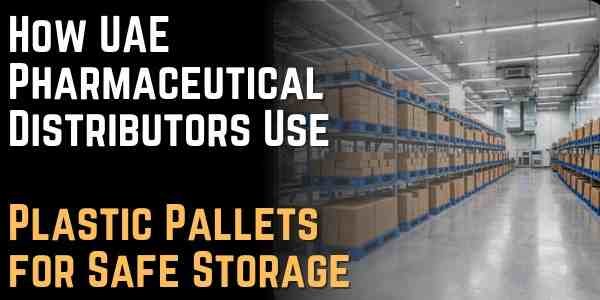
How UAE Pharmaceutical Distributors Use Plastic Pallets for Safe Storage
Storing medicines and healthcare products requires more care than storing regular goods. Pharmaceutical distributors must protect their stock from dirt, moisture, damage, and poor handling during storage and transport. Even small storage problems can affect product quality and lead to financial losses.
Plastic pallets help UAE pharmaceutical distributors keep medicines and medical supplies organised and safe. They provide a clean and stable base for storing cartons, support better stock movement, and make warehouse cleaning easier. When selected and used correctly, they can improve daily warehouse operations and help businesses maintain better storage conditions.
Key Ways UAE Pharmaceutical Distributors Use Plastic Pallets for Safe Storage
1. Maintain Clean Storage Areas for Pharmaceutical Products
Clean storage areas are important for pharmaceutical distributors because medicines must be protected from dust, dirt and other sources of contamination. Wooden pallets can absorb moisture and may develop cracks or rough surfaces over time. These areas can become harder to clean.
Plastic pallets have smooth surfaces that are easier to wash and inspect. They do not absorb water in the same way as wood, making them a useful choice for warehouses that follow strict cleaning routines.
A clean storage system should include regular floor cleaning, pallet inspections, and proper waste removal. Distributors should also make sure that pallets are dry before placing product cartons on them. This helps reduce moisture-related problems and keeps the warehouse organised.
2. Protect Medicines from Moisture and Floor Contact
Medicines and medical supplies need suitable storage conditions to maintain their quality. Keeping cartons directly on warehouse floors can expose them to dust, spills, and moisture. Plastic pallets raise products above the floor and create space for cleaning underneath. This makes it easier for warehouse staff to keep storage areas dry and clean.
When selecting a pallet, distributors should check its surface design and load capacity. A strong, stable base helps support cartons without bending or breaking. It is also important to avoid placing products near leaking pipes, wet areas, or other sources of moisture. Proper storage practices help protect packaging and reduce the risk of product damage.
3. Choose the Right Pallet Size and Load Capacity
Not every warehouse uses the same pallet size. Pharmaceutical distributors handle different products, carton sizes, and packaging types.
Choosing the wrong size can create storage problems and make goods harder to move. A suitable pallet should support the full load without bending, cracking, or becoming unstable. It should also fit the warehouse racks, storage areas and handling equipment.
When choosing a pallet, distributors should consider these points:
- Dimensions: The size should match the cartons and available storage space.
- Static load: The weight it can support when kept stationary.
- Dynamic load: The weight it can carry while being moved.
- Racking load: The weight it can support when placed on warehouse racks.
- Design: The base and surface should provide proper support for stored goods.
Always check the manufacturer’s load ratings and avoid exceeding the recommended limits.
4. Support Better Temperature-Controlled Storage
Many medicines need specific temperature conditions during storage. Some products can be kept at controlled room temperature, while others require refrigerated or frozen storage. Pharmaceutical distributors must follow the storage instructions for each product and monitor warehouse conditions.
Plastic pallets can be useful in temperature-controlled warehouses because they do not absorb moisture like wooden pallets. However, their performance can vary depending on the plastic material and temperature range. Distributors should check whether the selected pallets are suitable for cold rooms, freezers, or other storage areas. They should also make sure that pallet placement does not block air vents or cooling systems. Proper airflow helps maintain even temperatures around stored products.
5. Make Warehouse Cleaning and Inspection Easier
Regular cleaning is an important part of pharmaceutical warehouse management. Dust, spills, and packaging waste can collect around storage areas if cleaning is not carried out properly.
Plastic pallets are generally easy to wash because they have smooth, non-absorbent surfaces. This makes them suitable for warehouses where regular cleaning and inspection are part of daily operations.
Warehouse teams should follow a planned cleaning routine. They should remove loose dirt, wash pallets with suitable cleaning products, and allow them to dry before reuse. Staff should also check for cracks, broken sections, and damaged surfaces.
Any pallet that may affect product safety or load stability should be removed from use. Cleaning and inspection records can help businesses track maintenance.
6. Reduce the Risk of Product Damage During Handling
Medicines often move through several stages before reaching pharmacies, hospitals and healthcare facilities. They may be stored, sorted, loaded, and transported multiple times. Poor handling during these stages can damage cartons and affect the condition of the products.
Strong plastic pallets provide a stable base that helps keep goods together during movement. Distributors can improve product handling by using suitable pallets with secure loads. Stretch wrap and other approved packaging materials can help prevent cartons from shifting.
Staff should avoid overloading pallets or stacking cartons unevenly. Forklift operators should also use the correct entry points and handle loads carefully. These steps reduce the chance of goods falling, packaging getting crushed, or products being damaged during warehouse movement.
7. Improve Stock Organisation and Product Tracking
Pharmaceutical distributors manage many products with different names, batch numbers and expiry dates. Good stock organisation helps staff locate items quickly and reduces the risk of sending expired or incorrect products. Plastic pallets can support organised storage by allowing goods to be grouped into separate loads.
Each pallet load can be linked to a stock record, barcode or identification label. This helps warehouse teams track product details and movement through the storage area. Distributors can also organise stock based on product type, batch number or expiry date. Using a first-expiry, first-out (FEFO) system helps ensure that products with earlier expiry dates are selected first. Proper tracking improves stock control and supports better inventory management.
8. Prevent Pest and Contamination Problems
Pest control is another important part of pharmaceutical storage. Insects and rodents can damage packaging, spread dirt, and create hygiene concerns. Wooden pallets may have cracks or spaces where insects can hide, especially when they are poorly maintained. Plastic pallets have fewer natural hiding spaces and are easier to inspect and clean.
However, using plastic pallets alone does not prevent pest problems. Distributors should maintain clean storage areas, seal entry points, and arrange regular pest inspections.
Food, waste, and other materials that may attract pests should be kept away from medicine storage areas. Staff should also report signs of insects or rodents as soon as they are found. A complete pest control plan helps protect stored products and maintain warehouse hygiene.
9. Make Transportation and Distribution More Efficient
Pharmaceutical distributors need to move products between warehouses, delivery vehicles, and healthcare facilities. Plastic pallets can make this process easier because they are available in different sizes and designs for common handling systems.
Their lighter weight compared with many wooden alternatives can make empty pallet handling easier, although the actual weight depends on the design.
Reusable pallets can also support regular distribution operations. Instead of replacing damaged wooden pallets frequently, businesses may use durable plastic models for repeated handling.
Before choosing them, distributors should check that the pallets are suitable for their forklifts, pallet jacks, storage racks, and delivery vehicles. Standard sizes can make stacking and loading easier across different parts of the supply chain.
Conclusion
Plastic pallets help UAE pharmaceutical distributors improve warehouse organisation, protect product packaging and maintain cleaner storage areas. Their smooth surfaces, moisture resistance and reusable design make them a practical option for handling medicines and healthcare supplies.
However, choosing the right size, checking load limits and maintaining proper cleaning routines are equally important. Distributors should also focus on temperature control, stock tracking, pest prevention and safe product handling. By combining suitable pallets with good warehouse practices, pharmaceutical businesses can improve storage safety and make their daily distribution work more efficient.


About Author
